
Preoperative GLP-1 RAs neither augment nor detract from surgical weight loss
Preoperative Glucagon-like peptide-1 receptor agonists (GLP-1 RAs) neither augment nor detract from metabolic and bariatric surgery (MBS), at least for the first 12 months postoperatively, according to the study by researchers from the School of Medicine, University of California, San Francisco.
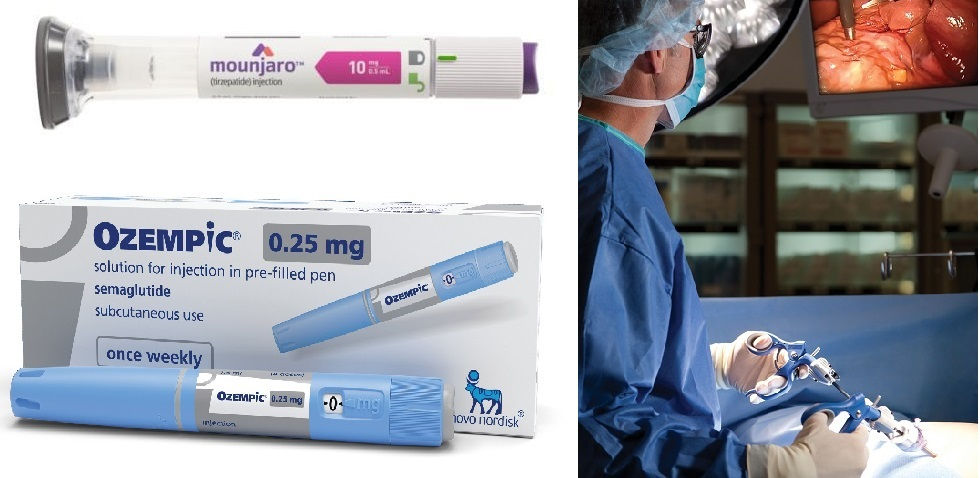
GLP-1 RAs use has risen dramatically with some patients treated with GLP-1 RAs1 later pursue MBS. However, the researchers noted that preoperative GLP-1 RA exposure influences post-operative weight loss remains unclear. Therefore, they retrospectively reviewed all patients who underwent primary MBS from 2022 to 2024. Data included preoperative GLP-1 RA use, patient characteristics and 12-month postoperative outcomes.
Patients taking tirzepatide, a dual GLP-1 RA/glucose-dependent insulinotropic polypeptide, were included in the group taking a GLP-1 RA. For patients taking GLP-1 RAs, they recommended discontinuation after surgery to prevent vomiting. The primary outcome was total body weight loss percentage (TWL%) 12 months after surgery. Secondary outcomes included complications and postoperative haemoglobin A1c.
Outcomes
The study included 383 patients, 92 (24%) were taking a GLP-1 RA preoperatively. The most common agent was semaglutide and most patients were not at the maximum dose. Patients taking GLP-1 RAs had similar age, BMI, sex and other characteristics, compared with those not taking GLP-1 RAs, although diabetes was more prevalent (51% vs 16%; p<0.001), mean haemoglobin A1c higher (mean [SD], 6.5% [1.6%] vs 5.7% [0.7%]; p<0.001), smoking less prevalent (3% vs 11%; p=0.03), and racial composition differed between groups. Follow-up at 12 months was 88%.
After MBS, there was no significant difference between groups in TWL% at 12 months (mean [SD], 24% [10%] vs 25% [9%]; p=0.33), nor was there a difference in excess body WL% at 12 months (mean [SD], 60% [25%] vs 62% [22%]; p=0.65). Multivariate regression showed that preoperative GLP-1 RA use, adjusted for age, BMI, sex, race and ethnicity, diabetes, smoking status, and procedure, was not a predictor of TWL% (β = −0.17; p=0.89). However, higher baseline BMI (β = 0.29; p<0.001) and male sex (β = 2.67; p=0.014) were independently associated with greater 12-month TWL%, whereas diabetes (β = −4.49; p<0.001) and sleeve gastrectomy (β = −4.72; p<0.001) were independently associated with lower TWL%.
In addition, the researchers reported that there were no statistically significant differences in operative time, length of stay, 30-day emergency department visits or complications between groups. Diabetes control, measured by haemoglobin A1c level, was reported as ‘excellent’ in both groups at 12 months (mean [SD], 5.4% [0.7%] vs 5.3% [0.8%]; p=0.44).
The majority of patients did not take GLP-1 RAs for the 12 months after surgery, although 15 patients resumed therapy: 5 for diabetes management, 8 for weight control and 2 for unknown reasons. For these patients, mean (SD) 12-month TWL% was 22% (13%), which was statistically similar to patients who were not taking GLP-1 RAs (mean [SD], 25% [9%]; p=0.51).
“Taken with our results, these data suggest that preoperative GLP-1 RAs neither augment nor detract from surgical weight loss, at least for the first 12 months postoperatively,” the researchers concluded. “...additional research is needed to determine the optimal sequencing and combination of bariatric surgery and GLP-1 RAs in order to maximise weight loss.”
The findings were reported in the paper, ‘Preoperative GLP-1 Receptor Agonist Use and Weight Loss Outcomes After Bariatric Surgery, published in JAMA Surgery. To access this paper, please click here


Comments